


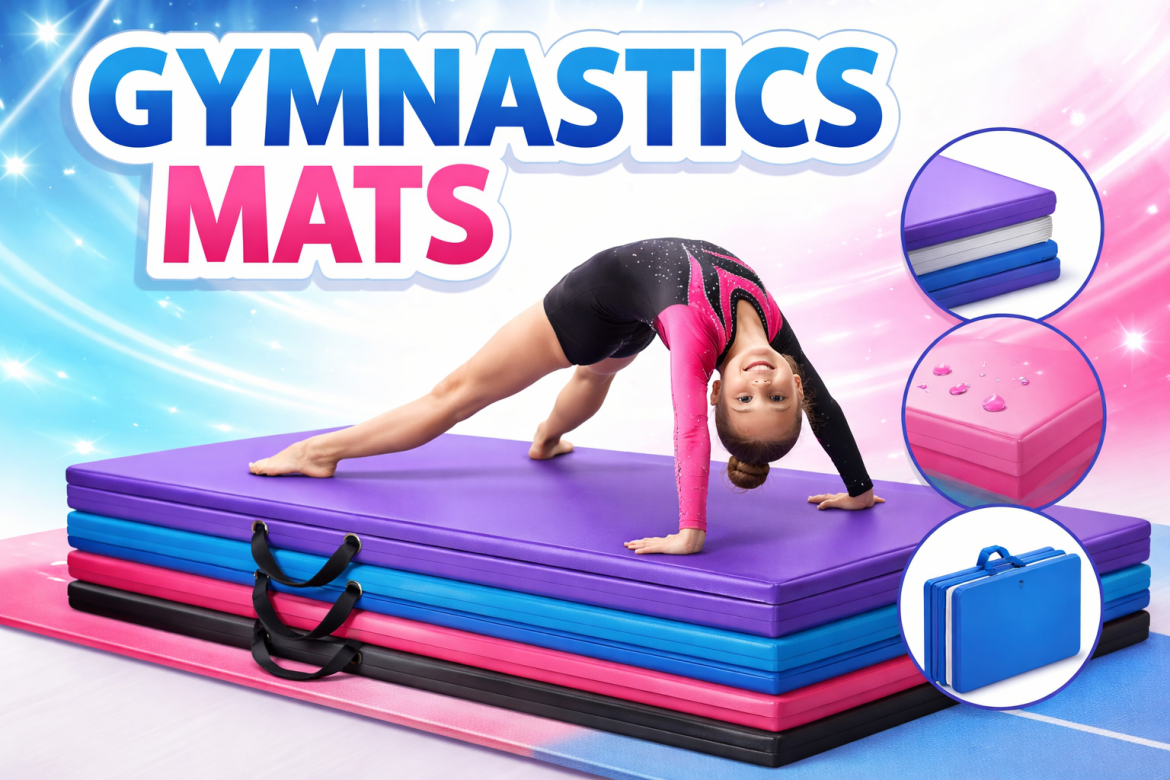
Objective
This blog is here to help gymnasts, parents, and coaches to understand the ways that landing pads can reduce injury risk in high-impact sports and to help them choose the most appropriate option for home and training facilities for professional use.
Key Takeaways
- Why impact protection matters more than ever in modern gymnastics
- How different mat types support safe skill progress
- What to check when buying crash mats for kids and adults
- How landing pads help prevent long-term joint issues
- Practical advice based on real training settings
Introduction
One bad landing can undo months of hard training, and that’s the quiet risk many gymnasts live with every day. You train the skill, repeat it again and again, and then one slip on the landing puts everything on pause. Here’s the thing: most injuries in gymnastics don’t happen mid-air. They happen when feet, knees, or hips meet the ground with more force than the body can handle.
Did you know: Sports safety studies have consistently shown that landing-related injuries account for the majority of gymnastics accidents, especially during tumbling passes and aerial skills. Research also points to a clear link between proper mat thickness, impact control, and fewer joint injuries in both young and advanced athletes.
This is exactly why Gymnastics Mats play an essential role. When you’re training at your home or at a club, the correct surface protects joints, boosts confidence in your movement, and allows athletes to train confidently. AirTumble’s primary focus is on requirements for training, not shortcuts. Safety should always be the top priority.
Table of Contents
- Why Safe Landings Matter in Gymnastics
- Understanding Crash Mats and Landing Pads
- Key Safety Features That Reduce Impact
- Choosing the Right Mat for Different Skill Levels
- Home Training vs Club Training Needs
- Common Mistakes to Avoid
- Frequently Asked Questions
- Final Takeaway and Next Steps
Why Safe Landings Matter in Modern Gymnastics Training
Gymnastics has changed. Skills are higher, faster, and more demanding than they were years ago. Without proper landing protection, even skilled athletes face risks during everyday practice.
Impact Forces and Injury Risk in High-Skill Training
When a gymnast lands, force moves from the feet up through the ankles, knees, hips, and spine. If that force is not managed well, it stresses joints and soft tissue.
A quality gym mat absorbs part of that impact before it reaches the body. Over time, this reduces strain from repeated landings, which is especially important during tumbling and dismounts. This is also where impact absorption mats and cushioned landing zones come into play, helping protect athletes during intense sessions.
Understanding Crash Mats and Landing Pads for Skill Progression
The landing mats, crash mats and other pads aren’t only soft surfaces. They are tools for training designed to manage force and aid in the development of new skills in a safe manner.
What Makes Crash Mats Different from Standard Training Mats
Crash mats use thicker foam and higher-density layers. This allows controlled compression instead of a hard rebound.
A gymnastics mat for children requires a different type of support than one for adults. Children can benefit from soft compression, which protects joints that are growing but still allows steady landings. This supports gymnastic training surfaces designed for safe progress.
When to Use Landing Pads Instead of Regular Mats
Landing pads are ideal for high-impact moves like flips, vault exits, and bar dismounts. They are also widely used with a gymnastics bar with a mat setup to protect athletes during release moves and landings.
These pads create a safer landing for gymnasts by handling greater force without bottoming out.
Safety Features That Matter Most in Gymnastics Mats
Not all mats protect in the same way. Safety depends on how energy is handled, not just how soft a mat feels.
Foam Density, Thickness, and Energy Absorption
Foam layers are used to spread the impact across the entire area. Mats with a higher density help, however, only when the foam density is in line with the skill level.
A gymnastics mat that folds up works great for practice or agility drills; however, those who are prone to high-impact activities require more energy control. This balance is a good foundation for mats that absorb impact, which protect against instability.
Surface Grip and Stability During Landings
Grip matters more than many people realise. A stable surface helps prevent ankle roll and sudden slips.
Controlled grip supports safer tumbling and dismount practice and improves trust in movement. This is essential for tumbling mat safety and confident landings.
Choosing the Right Gymnastics Mats for Different Training Needs
The right mat depends on who is training, where they train, and what skills they practise.
Home Training Setups for Young Gymnasts
Home spaces need smart solutions. Parents often look for mats that store easily and still protect well.
For beginners, combining air tracks with crash mats works well. It creates a safe home gymnastics setup while allowing skill growth without pushing too fast.
Club and Advanced Training Environments
Clubs need mats that handle repeated use. Durability, strong seams, and reliable foam matter here.
Advanced athletes benefit from mats that support harder landings while still protecting joints. This supports long-term progress without constant injury breaks.
Practical Comparison of Training Scenarios
Different skills place different demands on landing surfaces.
Tumbling passes
- Need strong shock control
- Support repeated impact
- Reduce joint stress
Bar dismounts
- Require deeper padding
- Protect during off-balance landings
- Support safe release timing
Beam exits
- Need a stable grip
- Reduce slip risk
- Help build landing confidence
This is where Crash Gymnastics Mats and Landing Pads show their value during skill-specific training.

Real-World Training Insights from Coaches and Parents
Experience often reveals what product pages don’t.
Case Example: Reducing Fear During Skill Learning
Gymnasts are often observed by coaches to be less hesitant when mats are properly used. With more protection, gymnasts take on a full-time commitment instead of performing mid-skills.
It helps build confidence and helps in more secure progress, particularly for young athletes who are learning new abilities.
Expert Perspective on Injury Prevention
Experts in gymnastics frequently emphasise that long-term joint health begins with daily choices. Landing pads can help athletes remain active for longer by reducing injuries from overuse.
Protect every landing before it becomes a problem.
Give your training the safety upgrade it deserves.
Common Mistakes When Buying Gymnastics Mats
Many injuries happen not because mats are missing, but because the wrong ones are chosen.
Choosing Price Over Protection
Thin mats may cost less, but they do not support high-impact skills. Skipping proper landing pads increases injury risk during advanced training.
Ignoring Age and Skill Level
Children need softer compression and a stable grip. Adults need deeper impact control. Choosing one mat for everyone often leads to problems.
Because Every Safe Landing Builds a Stronger Gymnast
Safe landings build confidence. Confidence builds progress. Over time, this leads to stronger skills and healthier athletes. Choosing the right mats supports both short-term safety and long-term well-being.
Whether you train at home or in a club, the right surface helps you focus on skills, not fear. That’s why platforms like AirTumble focus on real training needs and reliable protection. Crash Gymnastics Mats and Landing Pads are not extras. They are essential tools for safe growth.
Train harder. Land safer. Progress with confidence.
Explore reliable crash mats and landing pads designed for real gymnastics training needs.
Frequently Asked Questions
Are crash mats necessary for home gymnastics training?
Yes. Home floors are not designed for impact, so crash mats help absorb force and reduce injury risk.
What thickness is best for high-impact gymnastics skills?
It depends on skill type, body weight, and landing force. Higher-impact skills need deeper absorption.
Can landing pads be used with bars and beams?
Yes. They are commonly placed under bars and beams to protect during dismounts.
Are foldable mats safe for tumbling practice?
They work for low- to medium-impact skills when used on stable surfaces.
How long do quality gymnastics mats last?
With proper care, well-made mats can last for years of regular training.

Leave a comment